Škoda Auto Accelerates India Growth and EV Push, Signals Strong Global Expansion Strategy
Škoda Auto, the Czech automobile manufacturer and a core subsidiary of the Volkswagen Group, is entering a decisive phase of transformation as it sharpens its focus on high-growth markets like India while aggressively expanding its electric vehicle (EV) portfolio. The company’s evolving global strategy reflects broader shifts in the automotive industry, where electrification, digitalization, and regional diversification are reshaping competition.
With a legacy spanning more than 125 years, Škoda Auto has steadily reinvented itself—from a bicycle manufacturer in the late 19th century to a globally recognized automotive brand. Today, it stands at a critical juncture, balancing its traditional strengths in internal combustion engine (ICE) vehicles with the urgent need to transition toward sustainable mobility solutions.
India Emerges as the Cornerstone of Global Strategy
In recent years, India has emerged as a central pillar in Škoda Auto’s global growth blueprint. The company’s “India 2.0” strategy, launched under the leadership of the Volkswagen Group, has been instrumental in repositioning the brand in one of the world’s fastest-growing automotive markets.
The strategy is built on three key pillars: localization, affordability, and scalability. By developing vehicles on the MQB A0-IN platform specifically tailored for Indian conditions, Škoda Auto has been able to reduce costs while maintaining global quality standards. This approach has enabled the company to compete more effectively with established players in the mid-size sedan and compact SUV segments.
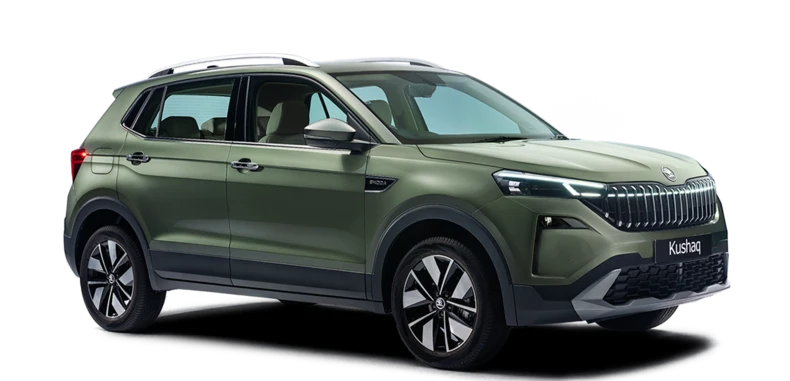
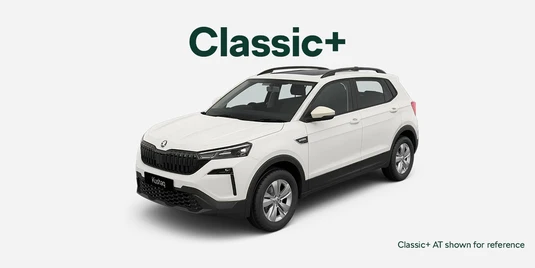
Models such as the Kushaq and Slavia have played a crucial role in this transformation. These vehicles are not only designed for Indian consumers but are also being positioned as export-ready products for other emerging markets. Industry experts believe that India could soon become a manufacturing and export hub for Škoda Auto, supporting its ambitions in Asia, Africa, and the Middle East.
The company has also expanded its dealership and service network across the country, improving accessibility and customer confidence. This expansion is complemented by digital initiatives, including online booking platforms and connected car technologies, which cater to a younger, tech-savvy customer base.
Strong Sales Momentum and Market Positioning
Škoda Auto’s renewed focus on India has begun to yield tangible results. The company has reported significant growth in sales volumes, driven by strong demand for its locally developed models. Analysts attribute this success to a combination of competitive pricing, improved after-sales service, and a growing perception of reliability.
Globally, Škoda Auto continues to maintain a balanced portfolio, offering a mix of sedans, SUVs, and electric vehicles. Its flagship models, including the Octavia and Superb, continue to enjoy strong brand recognition, particularly in Europe. Meanwhile, SUVs such as the Kodiaq and Kushaq are gaining traction in multiple markets due to their practicality and value proposition.
The brand’s positioning as a provider of “affordable premium” vehicles remains a key differentiator. By offering European engineering at competitive prices, Škoda Auto has carved out a niche that appeals to aspirational buyers who seek quality without the high costs associated with luxury brands.
Transition Toward Electric Mobility Gains Momentum
As global regulations tighten and consumer preferences shift toward sustainability, Škoda Auto is accelerating its transition to electric mobility. The company has already introduced electric models such as the Enyaq iV, which has been well received in European markets.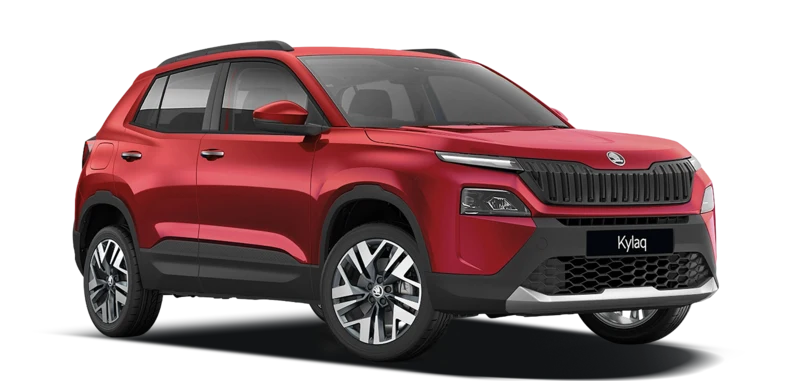
Looking ahead, Škoda Auto plans to expand its EV lineup significantly, with a focus on affordability and practicality—two attributes that have historically defined the brand. The company aims to make electric vehicles accessible to a broader audience, particularly in emerging markets where price sensitivity remains a key factor.
This transition is aligned with the broader strategy of the Volkswagen Group, which has committed billions of dollars toward electrification and digital transformation. Škoda Auto is expected to play a crucial role in this ecosystem by developing cost-effective EV solutions that can be scaled across multiple regions.
In addition to product development, the company is investing in infrastructure and partnerships to support the adoption of electric vehicles. This includes collaborations with governments and private players to expand charging networks and promote sustainable mobility solutions.
Sustainability Goals and Environmental Commitments
Škoda Auto’s push toward electric mobility is part of a broader commitment to sustainability. The company has set an ambitious target of achieving carbon neutrality across its manufacturing operations by 2030. This goal encompasses not only vehicle emissions but also energy consumption, supply chain practices, and waste management.
The company is increasingly adopting renewable energy sources in its production facilities and implementing measures to reduce water usage and material waste. These initiatives are designed to minimize the environmental impact of its operations while aligning with global sustainability standards.
Moreover, Škoda Auto is exploring innovative solutions such as circular economy practices, which involve recycling and reusing materials to reduce resource consumption. These efforts reflect a growing recognition within the automotive industry that sustainability is not just a regulatory requirement but also a competitive advantage.
Strategic Realignment in Global Markets
In line with its evolving priorities, Škoda Auto is reassessing its presence in certain global markets. Reports indicate that the company is gradually scaling back operations in regions where growth prospects are limited, including parts of China, which has become increasingly competitive.
Instead, the company is redirecting its resources toward markets with higher growth potential, such as India, Southeast Asia, and select regions in Africa and the Middle East. This strategic realignment is aimed at optimizing resource allocation and maximizing returns on investment.The Volkswagen Legacy: From the Beetle to Modern Mobility since 1937
Industry observers note that this shift reflects a broader trend among global automakers, who are increasingly focusing on regional strengths rather than pursuing uniform global expansion strategies.
Innovation and Digital Transformation
Innovation remains at the core of Škoda Auto’s strategy. The company continues to invest in research and development to enhance vehicle performance, safety, and connectivity. Its “Simply Clever” philosophy—focused on practical and user-friendly features—has been a hallmark of the brand.
Recent advancements include the integration of advanced driver assistance systems (ADAS), improved infotainment platforms, and connected car technologies that enable real-time data sharing and remote diagnostics. These features are designed to enhance the overall driving experience while meeting the expectations of modern consumers.
Škoda Auto is also leveraging digital tools to streamline its operations and improve customer engagement. From virtual showrooms to AI-driven customer support, the company is embracing digital transformation to stay competitive in an increasingly tech-driven industry.
Challenges in a Competitive Landscape
Despite its strong momentum, Škoda Auto faces several challenges. The global automotive industry is undergoing rapid transformation, with new entrants and established players competing fiercely for market share. Brands such as Hyundai, Kia, and Toyota continue to pose significant competition, particularly in emerging markets.
The transition to electric mobility also presents financial and operational challenges. Developing EV technology requires substantial investment, and the return on investment may take time, especially in price-sensitive markets.
Additionally, supply chain disruptions, geopolitical uncertainties, and fluctuating raw material costs continue to impact the industry as a whole. Škoda Auto must navigate these challenges while maintaining profitability and growth.
Future Outlook: Growth, Innovation, and Electrification
Looking ahead, Škoda Auto appears well-positioned to capitalize on emerging opportunities. Its strong backing from the Volkswagen Group provides access to advanced technology, global expertise, and financial resources.
India is expected to remain a key driver of growth, with the potential to become a major export hub. The company’s focus on localization and cost efficiency will be critical in sustaining its competitive edge.
At the same time, the expansion of its electric vehicle portfolio will play a pivotal role in shaping its future. By combining affordability with innovation, Škoda Auto aims to make electric mobility accessible to a wider audience.
Industry experts believe that the company’s ability to adapt to changing market dynamics while staying true to its core values will determine its long-term success.
Conclusion
Škoda Auto’s journey from a small bicycle manufacturer to a global automotive brand is a testament to its resilience and adaptability. As it navigates the complexities of the modern automotive landscape, the company is leveraging its strengths in engineering, innovation, and market understanding to drive growth.
With a clear focus on India, a strong push toward electric mobility, and a commitment to sustainability, Škoda Auto is charting a path that aligns with the future of the automotive industry. While challenges remain, the company’s strategic direction and execution suggest that it is well-equipped to thrive in the years ahead.
Disclaimer:
The content on this blog is for informational and educational purposes only. The views and opinions expressed here are those of the author and do not constitute professional advice. While we strive for accuracy, we make no guarantees regarding the completeness, reliability, or suitability of the information. Readers should use their own judgment and, if necessary, consult a qualified professional before making any decisions based on the content of this blog.