Minnesota Lawmakers Push for Stricter Water Permits as Data Center Boom Raises Groundwater Concerns
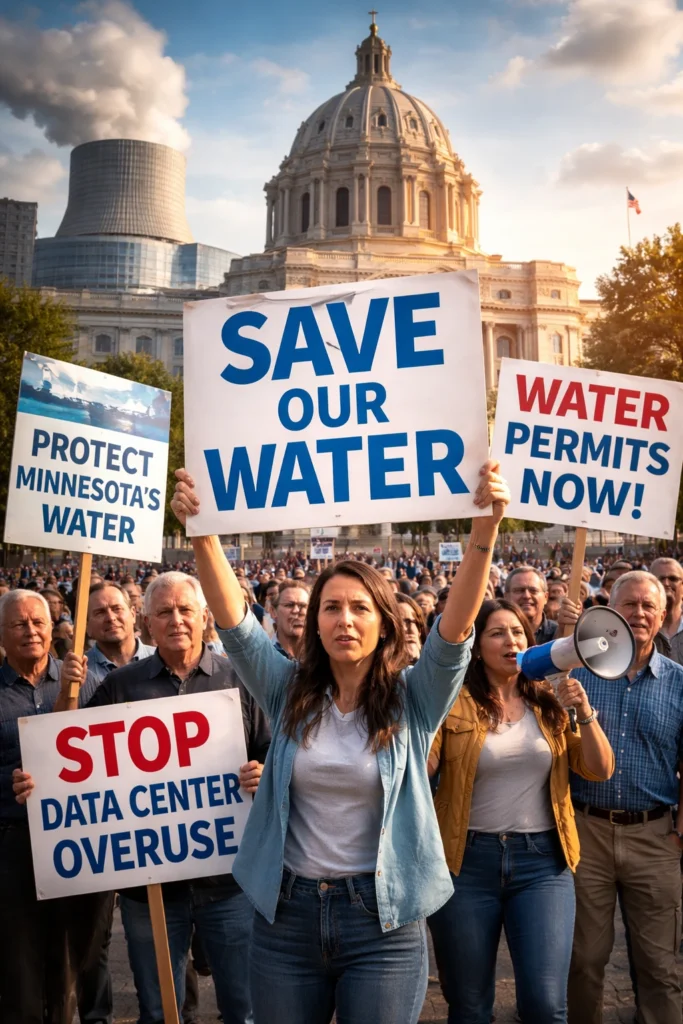
Minnesota—often celebrated as the “Land of 10,000 Lakes”—is confronting a growing environmental dilemma: how to balance rapid industrial expansion, particularly the surge in data center development, with the long-term sustainability of its groundwater resources. At the heart of this debate is a new legislative proposal led by Ann Johnson Stewart, which seeks to overhaul how large-scale water users access and are regulated in their consumption of the state’s groundwater.
The proposal, known as Senate Bill 3852, has ignited passionate testimony from residents, environmental advocates, lawmakers, and industry representatives. The central issue is whether massive industrial users—especially hyperscale data centers—should be allowed to draw water through municipal permits or be required to obtain their own state-issued permits subject to stricter oversight, environmental review, and public scrutiny.
The Core of the Legislation
Senate Bill 3852 proposes a significant shift in Minnesota’s water governance framework. Under current law, large industrial users can access water by tapping into municipal systems, effectively “piggybacking” on city permits. Critics argue that this allows corporations to bypass detailed environmental scrutiny and avoid direct accountability for their water usage.
The new bill would require any entity using at least 100 million gallons of groundwater annually—or consuming a substantial portion of a municipality’s water allocation—to apply for an independent permit from the Minnesota Department of Natural Resources (DNR). This process would include:
- Mandatory environmental reviews
- Aquifer pump testing
- Public comment periods
- Detailed tracking and reporting of water usage
Senator Johnson Stewart emphasized the urgency of the legislation during committee hearings, noting that the current system fails to adequately protect Minnesota’s groundwater. “People’s drinking water should come before industrial use,” she said, echoing a sentiment that has become central to the debate.
The Rise of Data Centers and Water Demand
The legislative push comes amid a boom in data center development across the United States, including in Minnesota. These facilities, which power cloud computing, artificial intelligence, and digital services, require enormous amounts of water—primarily for cooling systems that prevent servers from overheating.50-Year-Old Shakey’s Pizza Chain, Shuts Down All Outlets
A proposed data center project in Farmington illustrates the scale of the issue. The facility, backed by a Colorado-based developer, is expected to consume between 800 million and 900 million gallons of water annually—potentially doubling the city’s total water usage. Under current regulations, the developer could draw this water through the city’s municipal permit.
This scenario has alarmed lawmakers and residents alike, who worry about the long-term impact on aquifers that supply drinking water to communities.
Understanding Groundwater and Aquifers
Groundwater is a critical resource in Minnesota, supplying drinking water to approximately 75% of residents and nearly all agricultural irrigation needs. Much of this water is stored in underground aquifers—natural reservoirs formed over thousands of years through the slow filtration of water through layers of sand and rock.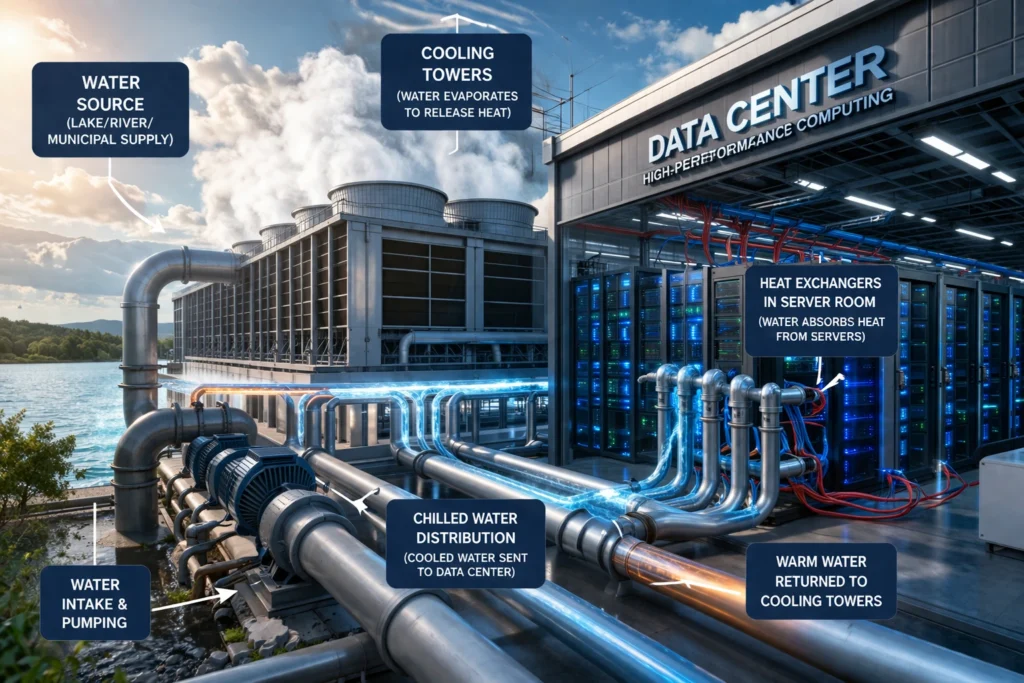
Key aquifers in southern Minnesota, such as the Prairie du Chien and Jordan aquifers, are particularly vulnerable to overuse. These systems recharge slowly, meaning that excessive withdrawal can lead to long-term depletion.
Environmental experts warn that over-pumping can also draw harmful contaminants like manganese and arsenic into water supplies, posing serious health risks.
Andrew Hillman of the Minnesota Center for Environmental Advocacy testified that “pumping too much water can cause residential wells to run dry and threaten sustainable water supplies across the state.”
Real-Life Impacts: Community Testimonies
Perhaps the most compelling arguments in favor of the bill have come from residents who have experienced the consequences of large-scale water use firsthand.
The Elko New Market Case
Janelle Kuznia, a resident of New Market Township, shared her community’s experience with a proposed bottling plant by Niagara Bottling. The facility was expected to use over 165 million gallons of water annually—more than double the city’s existing usage.
During aquifer pump testing, hundreds of private wells in the area experienced problems, including:
- Discolored (black and brown) water
- Clogged filtration systems
- Damaged household appliances
Kuznia noted that despite these issues, the permit was ultimately granted to the city, placing the burden of addressing water quality problems on local authorities rather than the company.
“We can no longer allow large industrial users to hide behind municipal permits,” she said.
Monticello’s Water Crisis
In Monticello, residents of a mobile home park known as The Meadows face ongoing water contamination issues. According to testimony from Jenna Van Den Boom of the Stop the Monticello Data Centers group, residents rely on bottled water for drinking but still lack safe water for cooking, cleaning, and bathing.
The park is owned by Lakeshore Management, which provides bottled water but has not resolved underlying contamination issues.
Van Den Boom warned that additional strain from a proposed data center could worsen conditions, potentially impacting other wells in the area.
North Mankato’s Aquifer Concerns
In North Mankato, the situation is equally precarious. The city relies on the Mount Simon-Hinckley aquifer—a 30,000-year-old water source protected by state law that restricts industrial use.
The city’s annual water usage is capped at 570 million gallons, based on recharge rates. However, a proposed data center could demand up to 450 million gallons annually, nearly doubling total consumption and pushing the system beyond sustainable limits.
Adding to concerns, city officials signed a nondisclosure agreement related to the project, limiting public awareness and input.
The Concept of “Water Bankruptcy
The debate in Minnesota reflects a broader global concern described by the United Nations as “water bankruptcy.” This term refers to the irreversible depletion and contamination of water resources due to unsustainable extraction and pollution.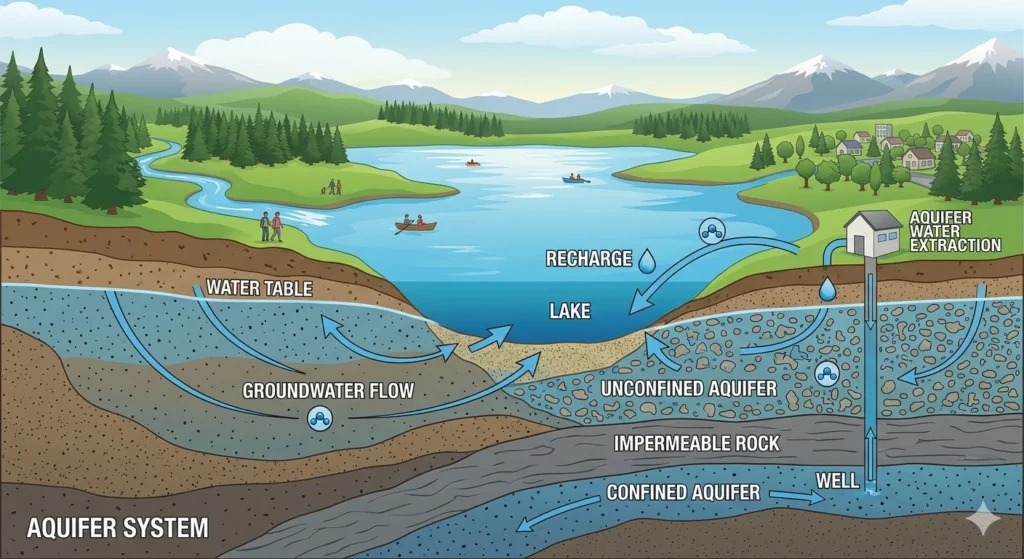
While Minnesota is often perceived as water-rich, experts caution that its groundwater is not infinite. Aquifers take decades—or even centuries—to replenish, making them particularly vulnerable to overuse.
Environmental and Scientific Perspectives
Scientific studies underscore the scale of water consumption associated with modern data infrastructure. A 2023 study from the University of California Riverside estimated that a single AI chat session involving around 20 queries can consume the equivalent of a bottle of freshwater.
Meanwhile, projections suggest that AI-related data centers in the U.S. could require up to 32 billion gallons of water annually by 2028.
Compounding the issue is the inefficiency of water use in these facilities. According to the Environmental and Energy Study Institute, approximately 80% of freshwater withdrawn by data centers is lost to evaporation.
Additionally, much of the water footprint comes indirectly from energy production. Fossil fuel power plants—used to supply electricity to data centers—require large volumes of water for steam generation, further intensifying water stress.
Industry Response and Opposition
Not everyone supports the proposed legislation. Industry representatives and business groups have raised concerns about the potential economic impact and administrative burden.
Andrew Morley of the Minnesota Chamber of Commerce argued that the bill’s requirements could be duplicative, noting that recent legislation already grants the DNR authority to request detailed water use information from developers.
He also criticized provisions requiring notification to all municipalities within a geological survey unit, calling it a “massive undertaking” for regulators.
Similarly, DNR officials expressed concerns about the agency’s capacity to implement the new system. Jason Moeckel, assistant director of ecological and water resources, acknowledged that the department would need significant restructuring to handle separate permits, public comment processes, and geographic notifications.
Transparency and Accountability
Despite opposition, proponents insist that the bill is necessary to ensure transparency and accountability.
Under the current system, companies can negotiate water access agreements with municipalities behind closed doors, often protected by nondisclosure agreements. This limits public awareness and prevents communities from assessing potential risks.
The proposed legislation would require:
- Public disclosure of water use plans
- Monthly reporting of consumption
- Community input through public comment periods
Supporters argue that these measures would empower residents and ensure that decisions are made in the public interest.
Lessons from Other States
Minnesota is not alone in grappling with the environmental impact of data centers. Other states have faced similar challenges:
Virginia: Retrofitting regulations after years of rapid data center expansion
Georgia: Reports of dry taps in communities near data centers
Arizona: Hosting facilities in water-stressed desert regions
These examples highlight the risks of unchecked development and the importance of proactive regulation.
Technological Solutions and Future Outlook
The industry is exploring alternatives to reduce water consumption, including:
- Air-cooled data centers
- Liquid immersion cooling systems
- “Zero-water” cooling technologies
Locating data centers in cooler, wetter climates can also reduce water needs. However, a significant portion of recent developments has occurred in water-stressed regions, raising questions about long-term sustainability.
Balancing Growth and Sustainability
The debate over Senate Bill 3852 ultimately reflects a broader tension between economic development and environmental stewardship.
Data centers bring significant economic benefits, including:
- Job creation
- Increased tax revenue
- Technological advancement
However, these benefits must be weighed against potential risks to essential resources like drinking water. https://en.wikipedia.org/wiki/Data_center
Former DNR hydrogeologist Jim Berg described Minnesota’s water prioritization laws as a “groundwater bill of rights,” emphasizing that human consumption and ecosystem health should take precedence over industrial use.
What Happens Next?
Following initial hearings, Senate Bill has been laid over for further consideration, with the next discussion scheduled for April 7. Its future remains uncertain, as lawmakers weigh competing interests and consider potential amendments.
A companion bill in the Minnesota House has garnered bipartisan support, suggesting that the issue will remain a focal point in upcoming legislative sessions.
Conclusion
Minnesota stands at a critical juncture. As the digital economy expands and demand for data infrastructure grows, the state must decide how to manage its most vital natural resource.
The push for stricter water permitting represents an effort to safeguard groundwater for future generations while ensuring that industrial development proceeds responsibly.
Whether Senate Bill 3852 becomes law or not, the debate has already highlighted a crucial reality: even in a state known for its abundant water, sustainability cannot be taken for granted.
As Senator Ann Johnson Stewart and community advocates continue to press their case, the outcome will likely shape not only Minnesota’s environmental policy but also serve as a model for other states facing similar challenges in the age of data-driven growth.