- Masters of the Universe – A Detailed Review (Franchise & Film Analysis)
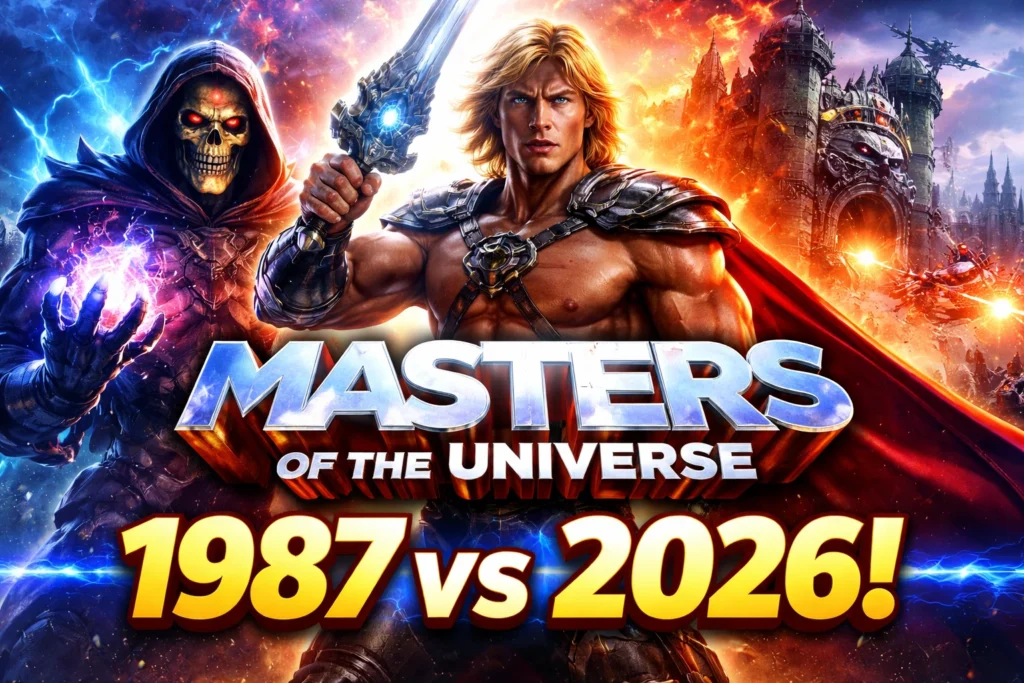
The phrase “Masters of the Universe” instantly evokes a wave of nostalgia, neon-colored fantasy worlds, muscular heroes, and iconic villains. Born from a toy line by Mattel in the early 1980s, the franchise grew into a cultural phenomenon through animated series, comics, and eventually live-action films. But despite its massive popularity in childhood memory, its journey on the big screen has been anything but smooth.
This detailed review explores the 1987 film, the broader franchise legacy, and the modern reboot (2026)—analyzing storytelling, performances, cultural impact, and whether Masters of the Universe truly lives up to its ambitious name.
1. Origins: From Toys to Pop Culture Phenomenon
Before diving into the film itself, it’s important to understand what Masters of the Universe represents. The franchise revolves around He-Man (Prince Adam), the most powerful man in the universe, who protects the magical world of Eternia from the villainous Skeletor.
Unlike traditional fantasy stories rooted in literature, this universe was born from action figures, not novels. That origin shaped everything—its characters were larger-than-life, morally simple, and visually striking.One Piece Season 2 Review: Key Highlights That Make It Better Than Season 1
However, this also became one of its biggest challenges:
- Translating toy-based storytelling into cinematic depth
- Balancing campy fun with serious narrative
- Appealing to both kids and adults
2. The 1987 Masters of the Universe Film: Ambition Meets Limitations
The first live-action adaptation, released in 1987, attempted to bring Eternia to life but struggled under its own weight.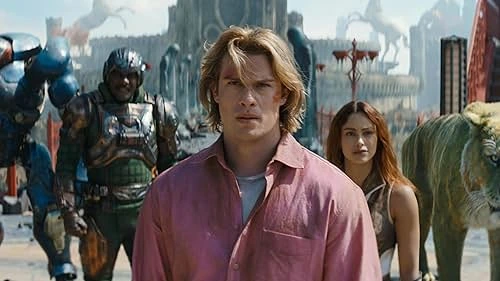
Plot Overview
Masters of the Universe, follows He-Man and his allies as they battle Skeletor, who seeks ultimate power through a device called the Cosmic Key. The story unexpectedly shifts to Earth, where two teenagers become entangled in the conflict.
This decision—to move much of the action away from Eternia—was largely due to budget constraints.
2.1 Strengths of the Film
1. Skeletor’s Performance
Almost universally praised, Skeletor stands out as the film’s strongest element. His portrayal brings charisma and theatrical intensity to an otherwise uneven film.
Even today, many consider him the definitive live-action Skeletor.
2. Practical Effects and Design
For its time, the film attempted ambitious world-building. Costumes, set designs, and makeup (especially Skeletor’s skull-like face) were impressive given the limited budget.
3. Cult Classic Appeal
While critically panned, the film has gained a cult following. Fans appreciate its campy tone, nostalgic charm, and unapologetic 80s style.
2.2 Weaknesses of the Film
1. Weak Narrative Structure
The story lacks emotional depth and feels more like a sequence of events than a cohesive narrative. It borrows heavily from other fantasy and sci-fi films without establishing a strong identity of its own.
2. Misuse of Eternia
One of the biggest criticisms was the decision to shift much of the film to Earth.
Fans expected:
- Cosmic battles
- Mythical landscapes
- Epic fantasy
Instead, they got:
- Suburban America
- School hall fights
- Limited world-building
3. Acting Limitations
While the actor portraying He-Man physically fit the role, the performance lacked emotional range, making it harder for audiences to connect with the character.
2.3 Critical Reception
The film performed poorly both critically and commercially and was often described as:
- A misfiring epic
- A toy-based experiment that failed
- Yet, over time, it became a nostalgic favorite.
3. Fan Perspective: Why Some Still Love It
Interestingly, audience reactions paint a more nuanced picture.
Fans often defend:
- The Earth setting as relatable
- The characters’ sincerity
- The imagination behind the concept
This divide between critics and fans highlights a key truth:
👉 Masters of the Universe was never meant to be high art—it was meant to be fun.
4. The Franchise Struggles
Despite its popularity, Masters of the Universe has struggled to maintain consistent success.
Key Issues
- Long gaps between releases
- Inconsistent tone across adaptations
- Difficulty appealing to new generations
These challenges have made it difficult for the franchise to stay relevant in a rapidly evolving entertainment landscape.
5. The 2026 Reboot: A New Hope
The upcoming 2026 reboot represents a major attempt to revive the franchise for modern audiences.
Key Details
- Directed by Travis Knight
- Stars Nicholas Galitzine as He-Man
- Features a large ensemble cast
- Large-scale production budget
5.1 Story Approach
Unlike the 1987 version, the reboot aims to:
- Focus more on Eternia
- Explore Prince Adam’s emotional journey
- Balance fantasy spectacle with character depth
The story follows Adam returning to Eternia to reclaim his destiny and defeat Skeletor.
5.2 Early Impressions
Early impressions suggest:
- A visually spectacular world
- A more serious, less campy tone
- Strong emphasis on nostalgia
However, some observers worry the film may take itself too seriously, potentially losing the playful essence that defined the original.
6. Themes and Symbolism
At its core, Masters of the Universe explores timeless themes:
1. Identity
Prince Adam’s transformation into He-Man represents:
- Responsibility
- Self-discovery
- Inner strength
2. Good vs Evil
The conflict between He-Man and Skeletor is archetypal:
- Light vs darkness
- Order vs chaos
3. Power and Corruption
Skeletor’s obsession with ultimate power reflects:
- The dangers of unchecked ambition
- The moral cost of domination
7. Visual and Tonal Identity
One of the franchise’s defining traits is its unique aesthetic:
- Visual Style
- Muscular, exaggerated characters
- Bright, surreal environments
- Blend of sci-fi and fantasy
Tone
- Campy yet heroic
- Serious themes with playful execution
- The challenge has always been maintaining this balance.
- https://en.wikipedia.org/wiki/Masters_of_the_Universe_(2026_film)
8. Comparison: 1987 vs 2026
Aspect
- 1987 Film
- 2026 Reboot
- Setting
- Mostly Earth
- Primarily Eternia
- Tone
- Campy, low-budget
- Epic, cinematic
- Visual Effects
- Limited
- High-end CGI
- Story Depth
- Basic
- Character-driven
- Fan Expectation
- Moderate
- Extremely high
9. Cultural Impact
Despite its flaws, Masters of the Universe remains culturally significant:
- Why It Endures
- Iconic characters (He-Man, Skeletor)
- Memorable catchphrases (“I have the power!”)
- Strong nostalgia factor
It helped pave the way for:
- Toy-based franchises in Hollywood
- Cross-media storytelling
10. Final Verdict
1987 Film Rating: ⭐⭐⭐ (3/5)
- Flawed but entertaining
- Elevated by its villain
- A nostalgic cult classic
Franchise Rating: ⭐⭐⭐⭐ (4/5)
- Rich mythology
- Strong visual identity
- Inconsistent execution
2026 Reboot (Expectation): ⭐⭐⭐⭐☆ (4.5/5 potential)
- High production value
- Strong cast
- Risk of tonal imbalance
Conclusion
Masters of the Universe is a fascinating case study in how a franchise can be both iconic and inconsistent. The 1987 film may have failed critically, but it laid the groundwork for decades of fandom.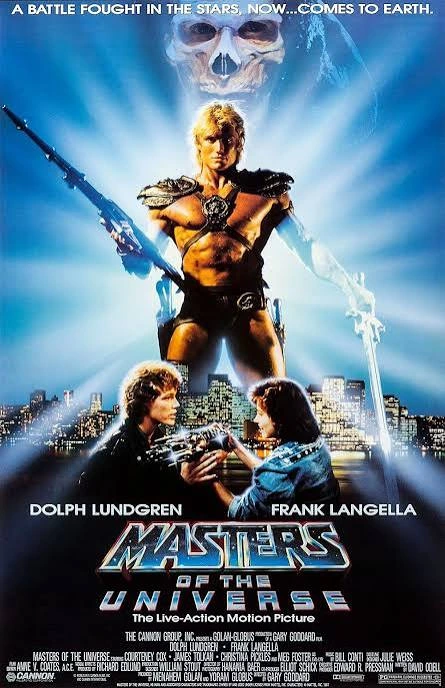
The upcoming reboot has a chance to finally deliver what fans have always wanted:
- 👉 A true, epic, visually stunning journey into Eternia.
- Whether it succeeds or not, one thing remains certain—
- the power of this universe still resonates.