The Journey of BMW Cars: From Aircraft Engines to Automotive Excellence
BMW, short for Bayerische Motoren Werke AG, is a symbol of luxury, precision engineering, and driving pleasure. Over the decades, BMW has evolved from a small aircraft engine manufacturer into one of the world’s most respected automotive brands, renowned for blending performance, design, and innovation.
Origins: From Aviation to Automobiles
BMW’s roots date back to 1916, originally as an aircraft engine manufacturer during World War I. The company’s iconic blue and white logo reflects the Bavarian flag, but it has also often been associated with a spinning propeller, symbolizing its aviation heritage.
After the war, the Treaty of Versailles restricted Germany from producing aircraft engines, forcing BMW to pivot. The company first explored motorcycle production in 1923 with the BMW R32, a model that featured a pioneering shaft drive system still admired today.
Entering the Automotive World
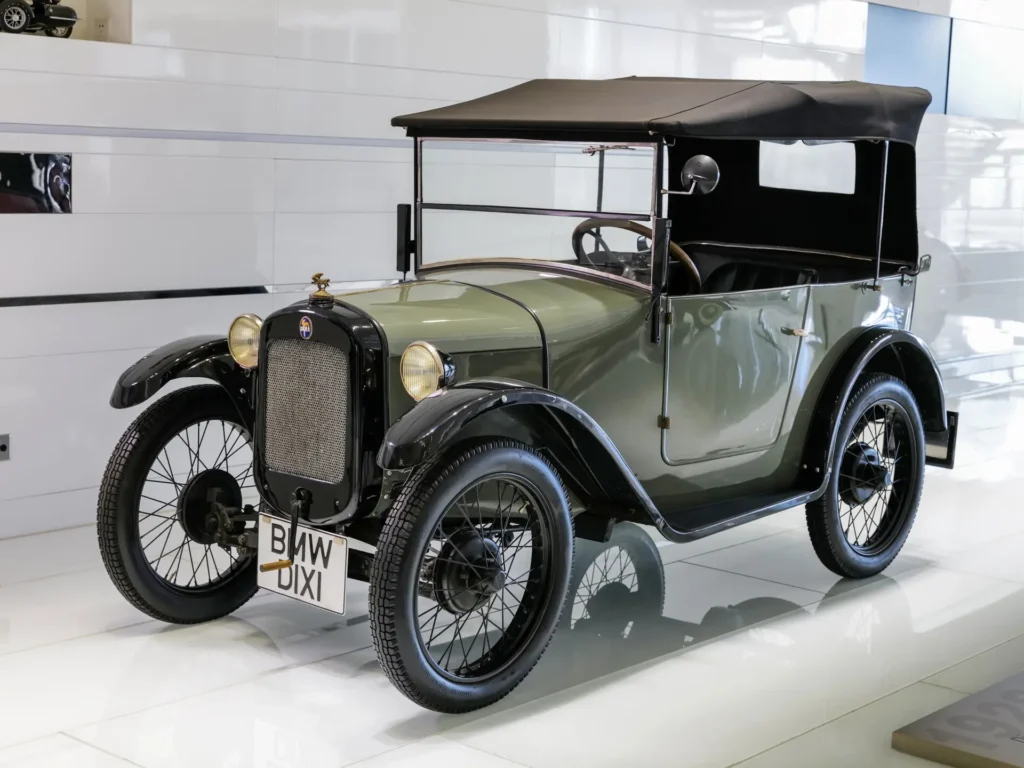
BMW’s entry into car manufacturing began in 1928 when it acquired Automobilwerk Eisenach, a car production company. The BMW 3/15, based on the Austin 7, marked BMW’s first foray into automobiles.
During the 1930s, BMW introduced the 328 sports car, which became legendary for its lightweight design and racing success. This period established BMW’s reputation for performance and precision engineering.
Post-War Recovery and Reinvention
After World War II, BMW faced a significant crisis, as its factories were destroyed and production was halted. Initially, the company produced household items and bicycles to survive. It wasn’t until 1952 that BMW re-entered car manufacturing with models like the BMW 501 “Baroque Angel”, a luxury sedan that set the stage for BMW’s high-end focus.
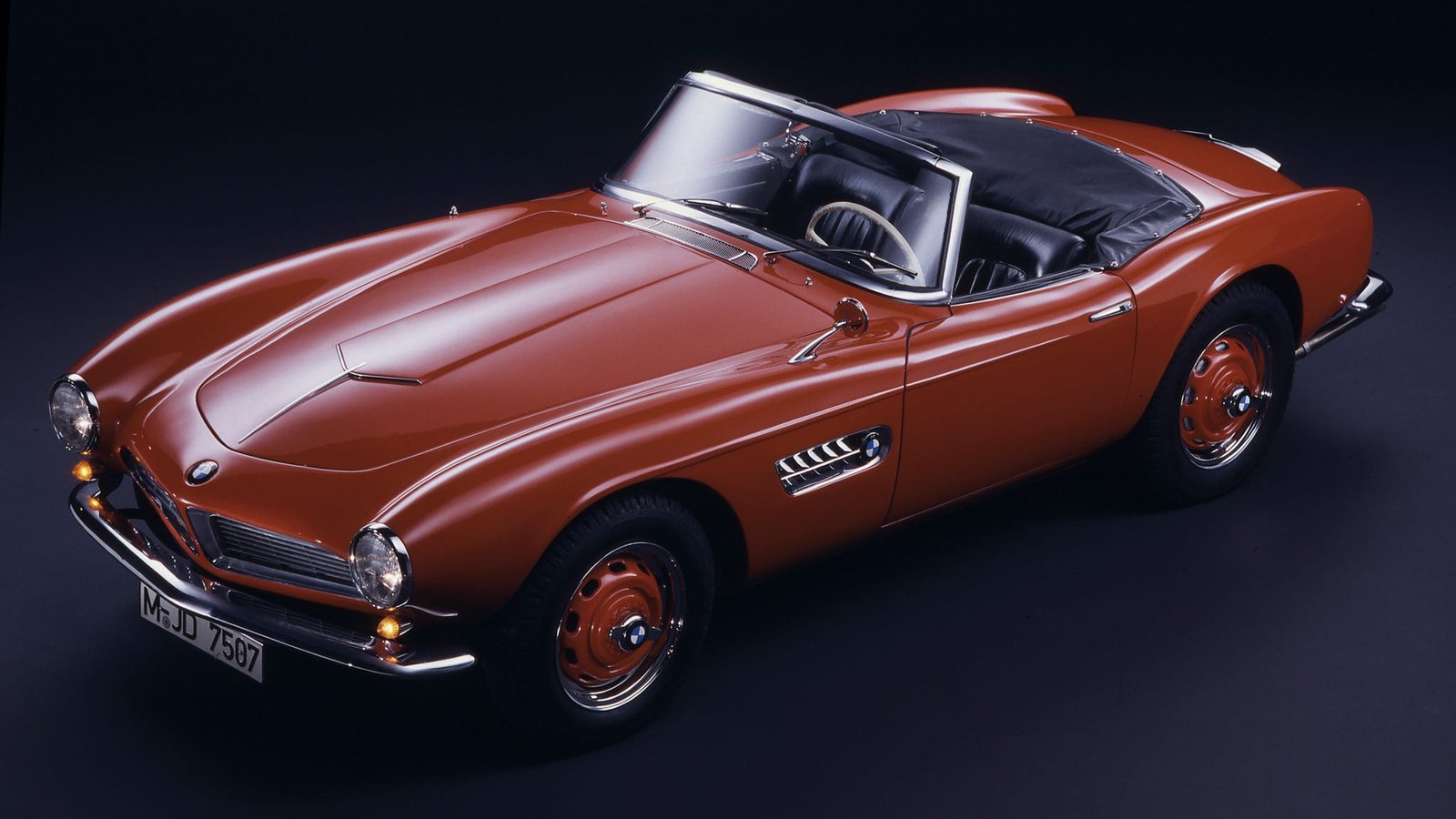
The mid-1950s saw the introduction of the BMW 507, a stylish roadster that attracted international attention. However, financial struggles during this period almost led BMW to be taken over by Mercedes-Benz. A lifeline came with the launch of the BMW 700, a small car that helped stabilize the company financially.
The Rise of the “Ultimate Driving Machine”
The 1960s and 1970s were transformative decades for BMW. The introduction of the Neue Klasse (New Class) sedans like the BMW 1500 established BMW as a leader in sporty yet practical cars. These models pioneered the combination of luxury, comfort, and driving dynamics—hallmarks of BMW today.
During this era, BMW also launched its 3 Series, 5 Series, and 7 Series, which became staples of the brand. The BMW 3 Series, in particular, remains one of the world’s best-selling luxury sports sedans.
Technological Innovations and Motorsport Legacy
BMW has always intertwined its road cars with motorsport innovation. Technologies developed for racing—like turbocharging, advanced suspension, and lightweight materials—often find their way into production models. The BMW M division, founded in 1972, created high-performance variants such as the M3 and M5, which set new standards for sports sedans and coupes.
Expansion and Modern Era
From the 1990s onward, BMW expanded globally and diversified its portfolio. Models like the X Series SUVs and i Series electric vehicles reflect BMW’s commitment to innovation and sustainability. The BMW i3 and i8, introduced in the 2010s, represent BMW’s shift towards electrification while retaining driving pleasure.
BMW has also embraced digitalization and autonomous technologies. Modern models feature advanced infotainment, semi-autonomous driving aids, and connected mobility solutions, ensuring the brand remains competitive in the rapidly changing automotive landscape.
BMW Today: A Symbol of Luxury and Performance
Today, BMW is synonymous with precision engineering, luxury, and driving enjoyment. Its cars continue to offer a balance of performance, comfort, and cutting-edge technology, appealing to enthusiasts and everyday drivers alike. From the iconic 3 Series to the futuristic iX electric SUV, BMW has maintained its philosophy: “Sheer Driving Pleasure.”
Conclusion
BMW’s journey is a story of resilience, innovation, and ambition. From humble beginnings as an aircraft engine manufacturer to becoming a global automotive icon, BMW has continually pushed the boundaries of engineering and design. Its legacy is a testament to the enduring appeal of cars that make driving not just a necessity, but a passion.
Ferrari Since 1939: Legendary Speed and Iconic Vintage Models
Disclaimer:
The content on this blog is for informational and educational purposes only. The views and opinions expressed here are those of the author and do not constitute professional advice. While we strive for accuracy, we make no guarantees regarding the completeness, reliability, or suitability of the information. Readers should use their own judgment and, if necessary, consult a qualified professional before making any decisions based on the content of this blog.