Emotional Economy & Youth Lifestyle: Redefining Value in the 21st Century
In the 21st century, the global economy is no longer driven only by production, consumption, and profit. A new force has emerged — one that revolves around feelings, identity, experiences, and connection. This is often described as the Emotional Economy, a system where emotions influence decision-making, brand loyalty, career choices, and even social movements. Nowhere is this shift more visible than in youth lifestyle.
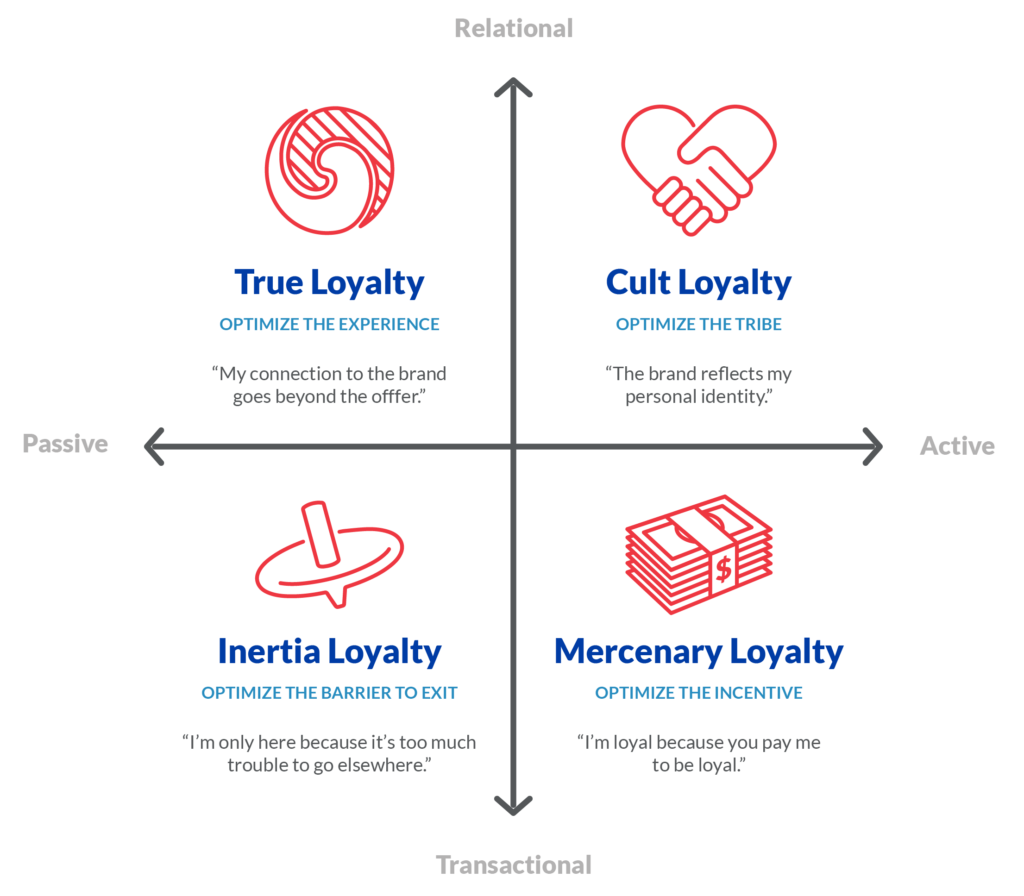
Today’s youth are not just consumers; they are emotional stakeholders. Their purchasing habits, career aspirations, digital presence, and social relationships are shaped by how they feel rather than just what they need. Let’s explore the different aspects of the Emotional Economy and how it shapes youth culture.
1. What is the Emotional Economy?
The Emotional Economy refers to a marketplace where emotional value — trust, belonging, identity, validation, and experience — becomes more important than functional value. Young consumers don’t just buy products; they buy stories, meanings, and social signals.
For example, a smartphone is no longer just a communication device. When a young person buys an iPhone from Apple Inc., they are often buying into innovation, status, and belonging to a global community. Similarly, wearing sneakers from Nike represents motivation, athleticism, and a “Just Do It” mindset.
The product is material. The attachment is emotional.
2. Social Media: The Emotional Marketplace
Social media platforms have become the backbone of the Emotional Economy. Platforms like Instagram and TikTok thrive not merely on content but on emotional engagement — likes, comments, shares, and validation.
For youth, social media functions as:
- A stage for identity performance
- A marketplace for influence
- A space for emotional affirmation
Validation through likes and followers often impacts self-esteem. Influencers are not just advertisers; they are emotional connectors who build trust and relatability. A skincare product recommended by a relatable influencer often carries more weight than a traditional advertisement.
This shift shows how emotional trust now competes with institutional authority.
3. Experience Over Ownership
One of the most defining traits of youth lifestyle today is the preference for experiences over possessions. Travel, concerts, festivals, and aesthetic cafes matter more than owning luxury goods.
Young people save money for experiences like attending a concert of Taylor Swift or participating in global events like FIFA World Cup. The emotional memory becomes more valuable than a physical object.
Why?
Because experiences:
- Build social capital (shareable moments)
- Strengthen identity
- Create lasting emotional memories
In the Emotional Economy, memories are assets.
4. Career Choices Driven by Passion
Unlike previous generations that prioritized job stability, many young individuals now prioritize passion, purpose, and mental well-being.
The rise of creators on platforms like YouTube shows how youth are monetizing personality, creativity, and authenticity. A stable corporate job may offer security, but a creative career offers emotional satisfaction.
Mental health awareness also plays a major role. Youth today openly discuss burnout, anxiety, and work-life balance. Emotional well-being is no longer secondary; it is central to life decisions.
This signals a shift from “earning for survival” to “earning for fulfillment.”
5. Consumer Activism & Ethical Awareness
Another powerful dimension of the Emotional Economy is ethical alignment. Young consumers prefer brands that align with their social and environmental values.
Movements inspired by activists like Greta Thunberg have made climate consciousness mainstream among youth. Brands are now evaluated not only for quality but for:
- Sustainability
- Inclusivity
- Social justice positions
If a brand fails to meet emotional or ethical expectations, young consumers quickly withdraw support — often publicly.
Emotional trust is fragile but powerful.
6. Relationships in the Digital Age
Youth relationships — friendships, dating, networking — are deeply influenced by digital platforms. Emotional expression happens through texts, emojis, voice notes, and video calls.
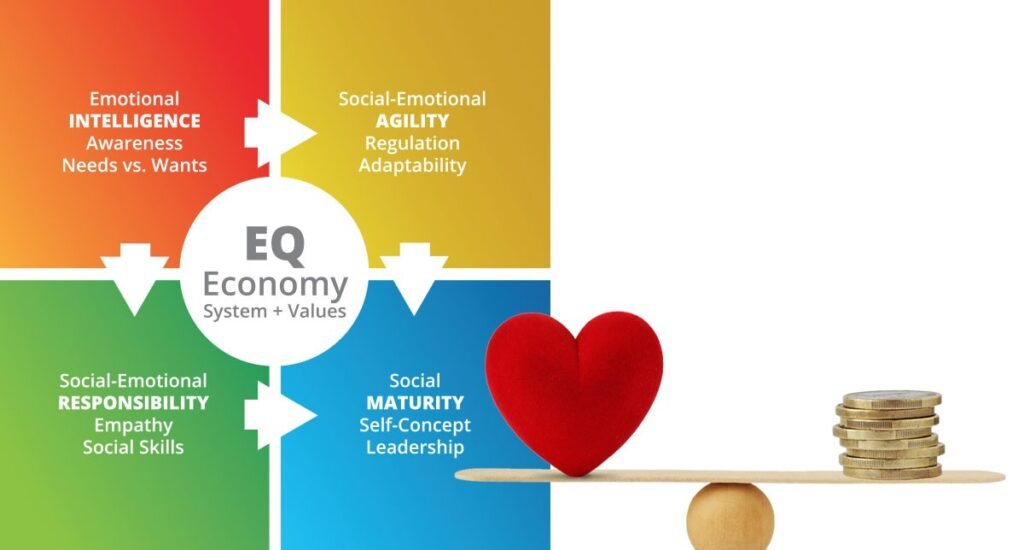
Dating apps, online communities, and fandom culture create new forms of belonging. Fans of global K-pop groups like BTS don’t just admire music; they share collective emotional experiences, form communities, and even mobilize for social causes.
Belonging has become borderless.
7. Mental Health & Emotional Literacy
Perhaps the most significant development in youth lifestyle is emotional awareness. Therapy, mindfulness, journaling, and self-care routines are no longer taboo topics.
Young people openly discuss therapy sessions, boundaries, trauma, and emotional growth. The Emotional Economy has made vulnerability socially acceptable — even empowering.
However, this also creates pressure:
- The pressure to always be “healing”
- The pressure to curate a happy life online
- The anxiety of comparison
Thus, the Emotional Economy brings both empowerment and emotional overload.
8. The Risks of Emotional Commercialization
While emotional engagement drives innovation and authenticity, it also creates challenges.
Companies may manipulate emotions to increase consumption. Algorithms on social platforms are designed to maximize engagement — often by triggering strong emotions like excitement, anger, or fear.
This can lead to:
- Dopamine addiction
- Social comparison anxiety
- Fear of missing out (FOMO)
Youth lifestyle today balances between emotional empowerment and emotional exploitation.
Conclusion: The Future of Emotional Value
The Emotional Economy is not a trend — it is a structural shift. For today’s youth, value is no longer defined only by price or utility but by meaning, identity, connection, and impact.
From choosing brands to selecting careers, from forming relationships to participating in activism, emotions guide decisions more than ever before.
The youth of today are emotional investors. They invest in experiences, communities, authenticity, and purpose. Businesses, institutions, and societies that understand this shift will thrive. Those that ignore it risk becoming irrelevant.
Ultimately, the Emotional Economy teaches us one powerful lesson:
In the modern world, feelings are currency — and youth are the most influential bankers of this new era.
1 thought on “Emotional Economy & Youth Lifestyle: How Feelings Are Shaping the Future of Consumption and Culture”