The Evolution of Nissan: From Local Beginnings to Global Automotive Powerhouse
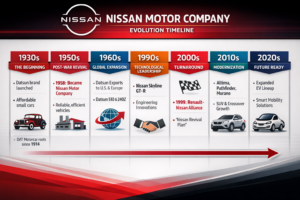
The story of Nissan Motor Company is a journey of innovation, resilience, and global ambition. From its early 20th-century origins in Japan to becoming one of the most recognized automotive brands in the world, Nissan has continually evolved to meet changing markets, technologies, and consumer needs.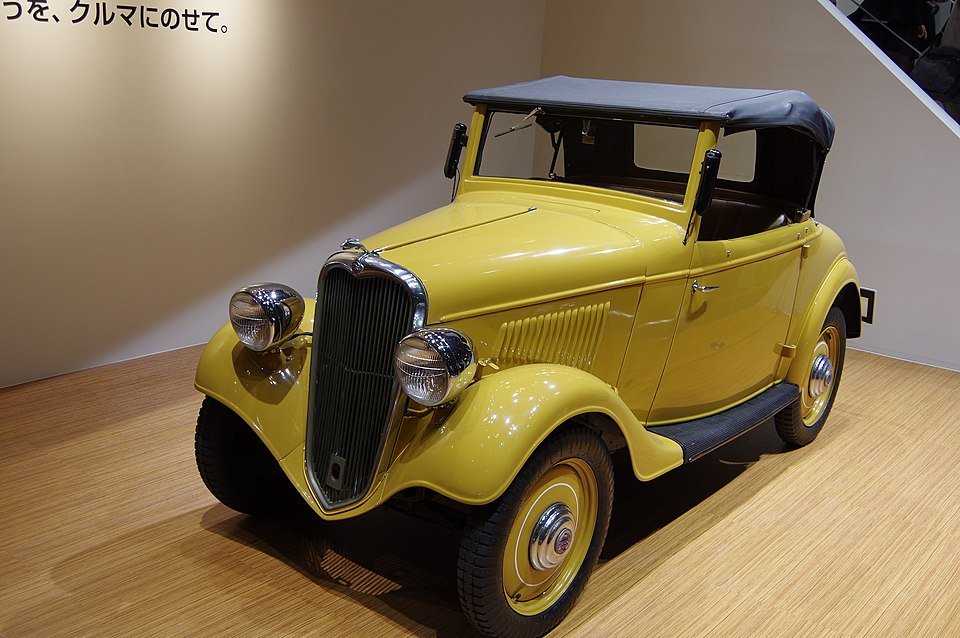
Early Beginnings (1930s–1940s)
Nissan’s roots trace back to the 1930s, when the Datsun brand was introduced. The name “Datsun” originated from the DAT Motorcar Company, which produced small cars in Japan since 1914. In 1933, the company launched the first Datsun car, a lightweight vehicle designed for affordability and reliability.
During this period, Japan’s automotive industry was still in its infancy. The Japanese government encouraged domestic car production to reduce dependency on imported vehicles. Nissan quickly established itself as a pioneer, building small cars and commercial vehicles to meet domestic demand.
Post-War Growth and Global Expansion (1950s–1970s)
After World War II, Japan faced the challenge of rebuilding its economy, and Nissan played a significant role in the automotive revival. In 1958, the company officially adopted the Nissan Motor Company name. During this period, Nissan produced a series of small, efficient vehicles that appealed to the growing Japanese middle class.
The 1960s marked Nissan’s entry into international markets. The Datsun brand became the face of Nissan’s export strategy, targeting the U.S., Europe, and other regions. Models like the Datsun 510 and Datsun 240Z became iconic for their reliability, affordability, and sporty appeal, establishing Nissan as a serious competitor in global markets.
Innovation and Technological Leadership (1980s–1990s)
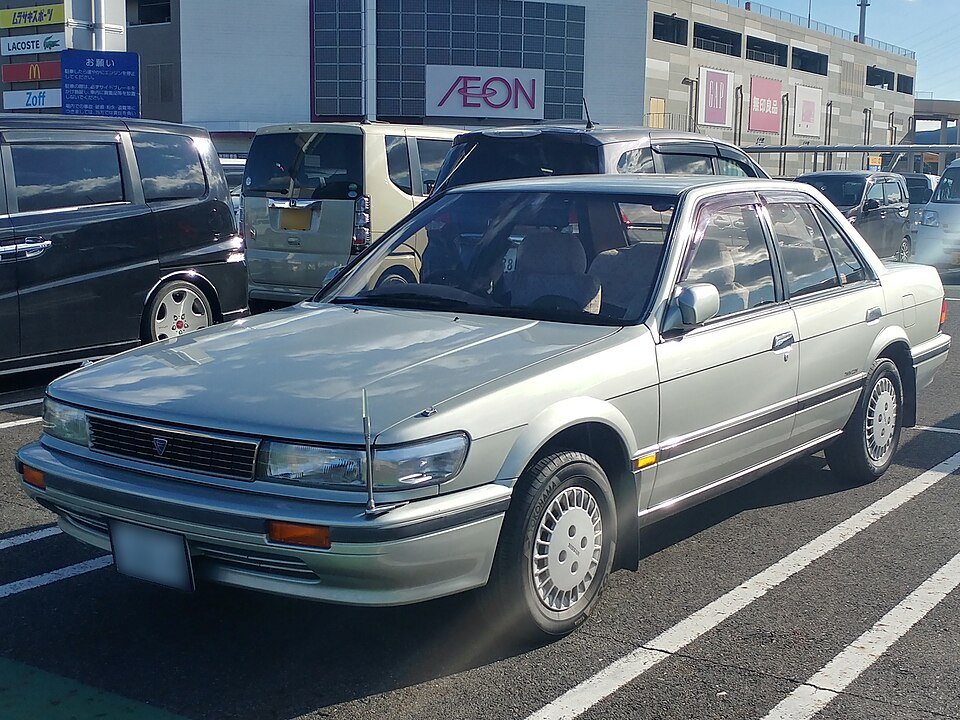
The 1980s and 1990s were periods of significant technological advancement for Nissan. The company embraced cutting-edge engineering and introduced advanced models such as the Nissan Skyline GT-R, renowned for its performance and innovation in automotive technology.
Nissan also began exploring alternative fuel technologies, including electric vehicles (EVs), a vision that would later become central to its global strategy. Strategic alliances during this time, such as joint ventures in the U.S. and Europe, expanded Nissan’s production and research capabilities, reinforcing its reputation for quality and innovation.
Challenges and the Renault Alliance (2000s)
The early 2000s brought challenges for Nissan. Rising competition, economic pressures, and internal management issues affected profitability. In 1999, a landmark partnership with Renault revitalized the company. Under the leadership of Carlos Ghosn, Nissan implemented the Nissan Revival Plan, which emphasized cost-cutting, streamlined operations, and innovation.
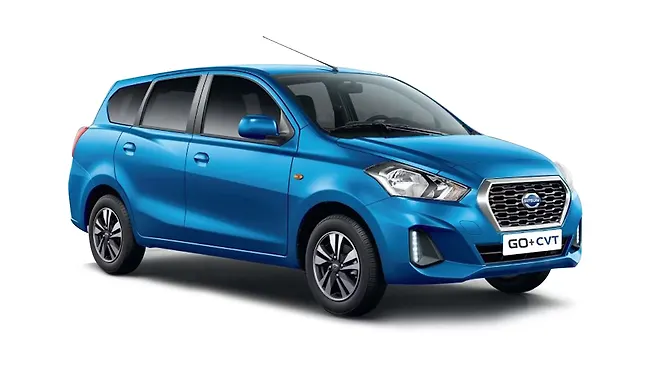
This era also saw Nissan pushing its global design and technology capabilities, producing popular models like the Nissan Altima, Nissan Pathfinder, and Nissan Murano, while preparing to lead in electric mobility.
Electric Mobility and Modern Era (2010s–Present)
Nissan has been a pioneer in electric vehicles, launching the Nissan Leaf in 2010, the world’s first mass-market EV. This move positioned Nissan at the forefront of sustainable mobility, with the Leaf becoming one of the best-selling electric cars globally.
The Evolution of the Ford Motor Company: Driving Innovation Through the Ages
The modern era has seen Nissan focus on autonomous driving, connected car technology, and expanding SUV and crossover offerings, such as the Nissan Rogue and Nissan Kicks, to meet changing consumer preferences. Strategic investments in AI, EV batteries, and eco-friendly technologies continue to define Nissan’s roadmap.
Legacy and Global Impact
From a small local automaker to a global automotive leader, Nissan’s evolution reflects adaptability, innovation, and resilience. The company has not only influenced car design and technology but has also contributed significantly to Japan’s industrial and economic growth. Today, Nissan operates in over 160 countries, balancing its heritage of quality and performance with the future of mobility.
Key Takeaways:
Founded as Datsun in the 1930s, officially Nissan Motor Company in 1958.
International expansion began in the 1960s, gaining recognition with Datsun exports.
Technological innovation highlighted in Skyline GT-R, electric mobility, and autonomous tech.
Renault-Nissan Alliance (1999) revitalized global strategy and profitability.
Modern focus: EVs, SUVs, connected vehicles, and sustainable transportation.
Nissan’s journey exemplifies how vision, innovation, and strategic partnerships can transform a domestic carmaker into a global icon of mobility.
Disclaimer:
The content on this blog is for informational and educational purposes only. The views and opinions expressed here are those of the author and do not constitute professional advice. While we strive for accuracy, we make no guarantees regarding the completeness, reliability, or suitability of the information. Readers should use their own judgment and, if necessary, consult a qualified professional before making any decisions based on the content of this blog.