
Stellantis: Powering the Next Era of Global Mobility
Stellantis is one of the world’s largest automotive manufacturers, formed in 2021 through the merger of Fiat Chrysler Automobiles (FCA) and PSA Group. 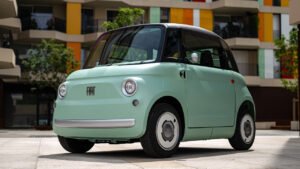
The company’s name, derived from the Latin word “stello” meaning “to brighten with stars,” reflects its ambition to lead the future of sustainable, technology-driven mobility.
With 14 iconic brands spanning American muscle, European practicality, and Italian luxury, Stellantis commands a strong presence across North America, Europe, South America, and emerging markets.
A Diverse Portfolio of 14 Iconic Brands
Stellantis manages one of the most diversified brand portfolios in the automotive industry.
American & Mainstream Brands
- Jeep – Globally recognized for SUVs and off-road capability
- Ram Trucks – Full-size and heavy-duty pickup trucks
- Dodge – Performance-focused muscle vehicles
- Chrysler – Minivans and family-oriented vehicles
European Brands
- Fiat
- Peugeot
- Citroen
- Opel
- Vauxhall
- Lancia
- Abarth
- Luxury & Premium Brands
- Maserati
- Alfa Romeo
- DS Automobiles
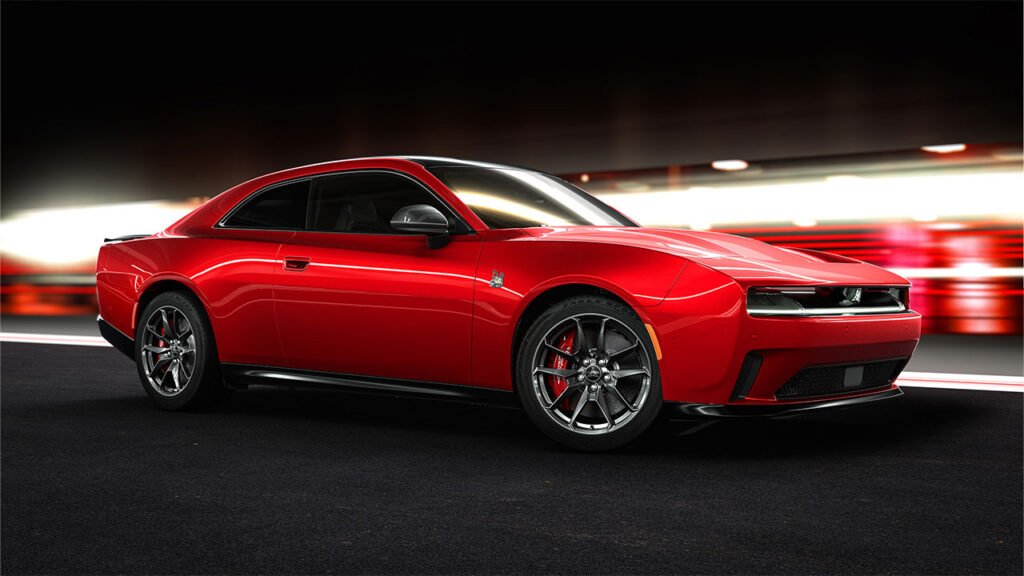 This broad portfolio enables Stellantis to serve nearly every market segment — from compact city cars to high-performance sports vehicles and heavy-duty trucks.
Electrification Strategy: The STLA Platforms
Stellantis is aggressively transitioning toward electric mobility. At the core of its EV strategy are four dedicated “STLA” architectures:
These platforms are designed to deliver:
- Up to 800+ km (500 miles) range
- 400V and 800V charging capability
- Over-the-air software updates
- Advanced driver assistance systems
Scalable battery modules
The company is also adopting a dual-chemistry battery strategy, utilizing both nickel-based batteries (for higher energy density) and lithium iron phosphate (LFP) batteries (for cost efficiency and durability).
Chrysler’s Electric-Only Vision by 2028
One of the most ambitious announcements within Stellantis is the plan for Chrysler to become a fully electric brand by 2028. This move signals Stellantis’ commitment to revitalizing legacy brands through electrification and modern design.
Other brands such as Jeep and Ram are also introducing electric variants, including electric SUVs and pickup trucks designed to maintain performance while reducing emissions.
Strategic Global Expansion
- Stellantis continues expanding its global footprint:
- North America remains a major profit center driven by Jeep and Ram.
- Europe leads in electrification, with Peugeot, Opel, and Fiat expanding EV offerings.
- Morocco has become a key production hub, producing models such as the Fiat Topolino and supporting cost-efficient manufacturing.
Stellantis is introducing the Chinese EV brand Leapmotor into new markets such as India, strengthening its position in affordable electric mobility.Toyota Motor Corporation History: From 1937 Founding to Iconic Car Models Worldwide
Interestingly, while expanding EV production, Stellantis has also reintroduced certain diesel engines in European models like the Peugeot 308 and Alfa Romeo Tonale to balance regulatory, consumer, and profitability considerations during the transition period.
Dare Forward 2030: The Master Plan
Stellantis’ long-term roadmap, known as “Dare Forward 2030,” focuses on: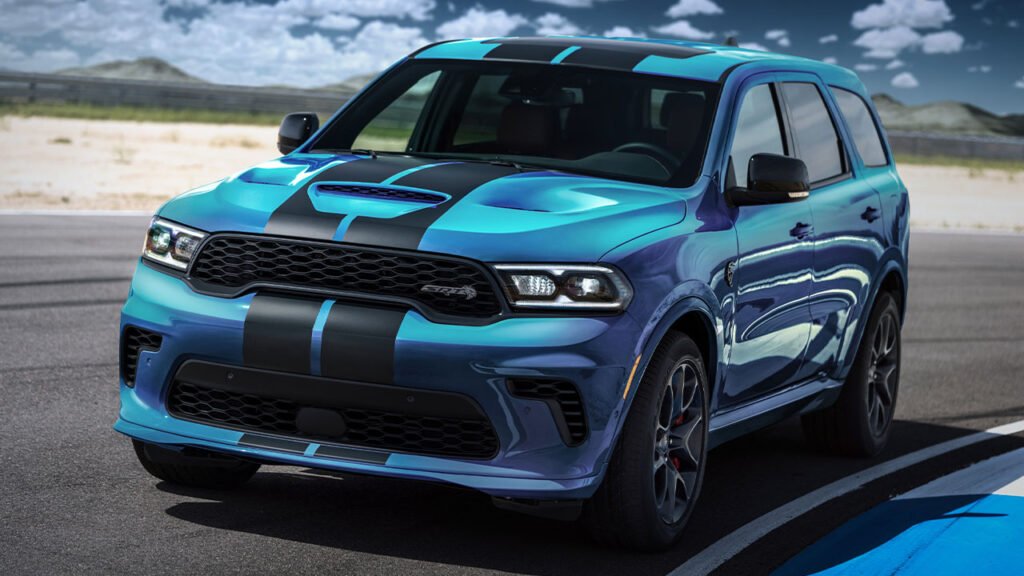
100% battery electric vehicle (BEV) sales in Europe by 2030
- 50% BEV sales in the United States by 2030
- Carbon net-zero target by 2038
- Growth in software-enabled revenue streams
Expansion into mobility services and connected vehicle ecosystems
The company aims to transform from a traditional automaker into a software-defined mobility provider, where vehicle features, performance upgrades, and services are delivered digitally over time.
Financial Strength & Manufacturing Scale
Stellantis operates dozens of manufacturing plants across Europe, North America, South America, and Africa. Its scale allows for:
- Shared component platforms
- Reduced development costs
- Faster innovation cycles
- Stronger supplier leverage
This merger-driven scale is one of Stellantis’ greatest competitive advantages, placing it among the world’s top automakers by revenue and vehicle volume
Challenges Ahead
Despite its ambitious roadmap, Stellantis faces key challenges:
- Intense competition from Tesla and Chinese EV manufacturers
- Rising battery raw material costs
- Regulatory pressures across global markets
- Managing brand identity across 14 marques