Wanderer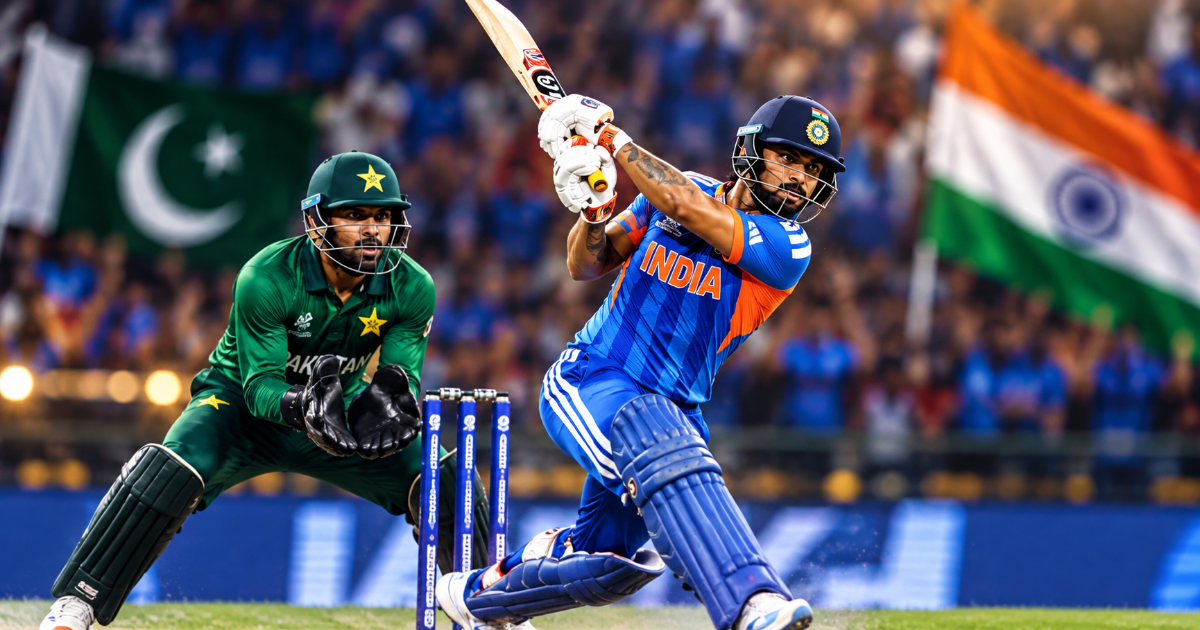
India vs Pakistan Final: Abhishek Sharma and Tilak Varma Shine as India Defend 211 to Secure Gold
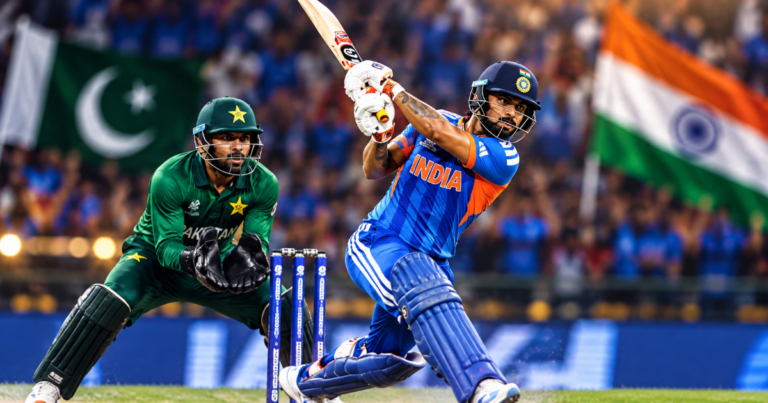
India defeated Pakistan by 19 runs in a thrilling Asian Games cricket final, securing the gold medal after a dramatic contest that went down to the final over. India posted 211 for six in 20 overs before restricting Pakistan to 192 for six in their chase.
The final had everything expected from an India-Pakistan contest: aggressive batting, wickets at crucial moments, powerful hitting, pressure-filled overs and a tense finish.
India’s victory was built around a superb batting display led by Abhishek Sharma and Tilak Varma. Abhishek provided the early momentum with a rapid 61, while Tilak produced a spectacular unbeaten 51 to push India’s total beyond the 200-run mark.
Pakistan, however, refused to surrender. Hasan Nawaz produced a sensational counterattacking innings of 96 from 51 balls and kept Pakistan’s hopes alive almost until the end.
In the end, India’s total proved just enough.
Pakistan finished on 192 for six after 20 overs, leaving India with a 19-run victory and the gold medal.
India Make a Flying Start
After winning the toss, India opted to bat first with the intention of putting a big score on the board.
The opening phase immediately showed India’s aggressive approach.
Abhishek Sharma took the attack to Pakistan’s bowlers and scored at a remarkable rate. He found the boundary regularly and punished anything loose outside his preferred areas.
His 61 came from just 28 deliveries and included seven sixes and three fours.
The aggressive start gave India the platform they needed in the first six overs.
India reached 81 for two at the end of the powerplay, putting Pakistan’s bowlers under considerable pressure.
Although Pakistan managed to take wickets, India’s scoring rate remained high.
The early assault also meant India had enough batting depth available for the final stages of the innings.
Pakistan Fight Back in the Middle Overs
Pakistan’s bowlers eventually found a way to slow India’s scoring.
Wickets at regular intervals prevented India from completely running away with the game.
Shreyas Iyer contributed 21 runs, while Ishan Kishan added 20. Sanju Samson could not make a significant contribution, but India continued to maintain a strong scoring rate.
With wickets falling, Pakistan appeared to have a chance of restricting India to a total around 180-190.
That changed dramatically in the final overs.
Tilak Varma Produces a Stunning Finish
Tilak Varma played one of the most important innings of the final.
Coming in during the middle portion of India’s innings, Tilak initially concentrated on building a partnership and rotating the strike.
Once the final overs arrived, however, he shifted gears.
The left-hander began attacking Pakistan’s bowlers and found the boundary repeatedly.
Tilak finished unbeaten on 51 from just 22 balls, including four sixes and three fours.
His extraordinary strike rate gave India exactly the late acceleration they needed.
Shivam Dube also made an important contribution, scoring 27 from 15 balls.
Together, the pair added crucial runs during the closing stages.
India scored heavily in the final three overs and eventually reached 211 for six after 20 overs.
Suddenly, Pakistan needed 212 runs to win the gold medal.
Pakistan Face a Difficult Chase
Pakistan’s chase began under enormous pressure.
The required run rate was already high, and India had a strong bowling attack capable of exploiting any early mistakes.
Those mistakes came quickly.
Pakistan lost wickets during the powerplay and struggled to establish the kind of opening partnership required to chase down 212.
At one stage, Pakistan were reduced to 39 for three.
India appeared firmly in control.
But the match was about to change.
Hasan Nawaz Launches a Remarkable Counterattack
Hasan Nawaz refused to allow Pakistan’s chase to collapse.
Instead of trying merely to survive, he attacked India’s bowlers.
His aggressive strokeplay brought Pakistan back into the contest.
Nawaz found boundaries regularly and cleared the ropes seven times during his innings.
His partnership with Saim Ayub provided Pakistan with the momentum it desperately needed.
What had looked like a comfortable Indian victory suddenly became a genuine contest.
Nawaz eventually reached 96 runs from 51 balls, narrowly missing a deserved century.
His innings included five fours and seven sixes.
Every boundary increased the pressure on India.
The equation continued to move in Pakistan’s favour, and India’s bowlers were forced to remain disciplined.
India Refuse to Lose Control
Despite Pakistan’s comeback, India continued to take wickets at important moments.
Axar Patel, Washington Sundar and Shivam Dube all played key roles with the ball.
Their wickets prevented Pakistan from maintaining a consistent partnership throughout the chase.
India’s bowlers also ensured that Pakistan could not freely score boundaries in every over.
The fielding side kept applying pressure, knowing that one wicket could dramatically change the equation.
Pakistan’s hopes rested heavily on Nawaz.
As long as he remained at the crease, Pakistan had a realistic chance of completing what would have been a remarkable chase.
The Final Overs Decide the Gold Medal
As the chase entered its final stages, the pressure became enormous.
Pakistan still needed a substantial number of runs, while India needed only a few good deliveries to close out the match.
India’s experienced bowlers handled the situation with composure.
Jasprit Bumrah played an important role during the closing stages, helping restrict Pakistan’s scoring.
The pressure eventually caught up with Pakistan.
Nawaz’s spectacular innings came to an end in the final over, effectively ending Pakistan’s hopes.
Pakistan finished their 20 overs on 192 for six.
India had won the final by 19 runs.
India 211/6, Pakistan 192/6
The final scorecard tells the story of an extraordinary contest.
India: 211/6 in 20 overs
-
Abhishek Sharma – 61 off 28 balls
-
Tilak Varma – 51* off 22 balls
-
Shivam Dube – 27 off 15 balls
-
Shreyas Iyer – 21
-
Ishan Kishan – 20
Pakistan: 192/6 in 20 overs
-
Hasan Nawaz – 96 off 51 balls
-
Saim Ayub – 29 off 22 balls
India won by 19 runs.
Abhishek Sharma Sets the Tone
India’s victory began with Abhishek Sharma’s aggressive batting.
His 61-run innings was more than just a personal milestone. It gave India the momentum required to build a match-winning total.
His seven sixes put Pakistan’s bowlers under pressure from the beginning.
In a 20-over final, a strong powerplay can make a major difference, and Abhishek ensured that India did not waste the opportunity.
His ability to score boundaries while maintaining a high strike rate allowed India to build a strong foundation.
Tilak Varma Delivers Under Pressure
If Abhishek provided the start, Tilak provided the finish.
His unbeaten 51 was arguably the most important innings of India’s second half.
India needed someone to convert a good position into a commanding total, and Tilak did exactly that.
His six-hitting in the final overs pushed India beyond 200.
The difference between a total around 190 and India’s eventual 211 became crucial when Pakistan launched its chase.
Pakistan eventually scored 192.
That meant India’s late acceleration had created the margin that ultimately separated the two teams.
Hasan Nawaz’s Incredible 96
Pakistan’s defeat should not overshadow Hasan Nawaz’s extraordinary performance.
Coming into a difficult situation, Nawaz played with remarkable freedom.
Rather than allowing the required rate to become unmanageable, he attacked India’s bowlers and repeatedly found the boundary.
His seven sixes kept Pakistan alive.
For a long period, it appeared possible that Nawaz could take Pakistan all the way to victory.
His dismissal, however, arrived at the worst possible moment for Pakistan.
He finished with 96 runs, only four short of a century.
It was one of the most memorable individual performances of the final.
India Handle the Pressure
The most important aspect of India’s victory was their ability to respond to Pakistan’s fightback.
India had started strongly.
Pakistan then pulled things back with wickets.
Tilak Varma restored India’s momentum.
Pakistan lost early wickets during the chase.
Hasan Nawaz brought them back into the match.
India’s bowlers then returned with crucial wickets.
That sequence made the final a contest until the closing stages.
India’s 19-run victory reflected how closely fought the match became after Pakistan’s middle-order recovery.
Another Gold Medal for India
The victory also added another major cricketing achievement for India at the Asian Games.
India entered the final with the aim of retaining the men’s cricket gold medal.
Pakistan entered with the opportunity to claim the gold after reaching the final.
Both teams had plenty at stake.
India ultimately handled the decisive moments better and finished the tournament with the gold medal.
Pakistan had to settle for silver after falling 19 runs short.
India-Pakistan Rivalry Produces Another Memorable Final
Whenever India and Pakistan meet in cricket, the occasion attracts enormous attention.
This final was no different.
The contest was played under the added pressure of a gold medal being at stake.
The match also provided a fascinating contrast between the two teams.
India’s victory was built on contributions from several players, particularly Abhishek Sharma and Tilak Varma.
Pakistan relied heavily on Hasan Nawaz during the chase.
The difference ultimately came down to India’s ability to score 211 and then defend the total despite Pakistan’s late charge.
A Final Decided by Small Margins
The final could easily have taken a different direction.
India’s late batting surge proved crucial.
Tilak Varma’s unbeaten 51 gave India the additional runs that Pakistan eventually needed but could not find.
At the same time, Pakistan’s early wickets made the chase considerably more difficult.
Hasan Nawaz’s 96 almost changed the outcome, but Pakistan needed more support at the other end.
The 19-run margin therefore tells only part of the story.
The final remained competitive because Pakistan fought back strongly after losing early wickets.
India’s ability to maintain pressure in the closing overs eventually settled the contest.
India Celebrate Gold After a Thrilling Final
When the final wicket fell and Pakistan finished on 192 for six, the Indian players celebrated a memorable victory.
The gold medal belonged to India.
Abhishek Sharma’s explosive 61 had provided the platform.
Tilak Varma’s unbeaten 51 had supplied the finishing power.
India’s bowlers then held their nerve during a difficult chase.
For Pakistan, Hasan Nawaz’s 96 was a standout performance, but it was not enough to take his team over the line.
India had scored 211 for six.
Pakistan had managed 192 for six.
The final margin was 19 runs.
And after a tense 40-over battle, India were crowned Asian Games cricket champions and took home the gold medal.
Final Result
India – 211/6 (20 overs)
Pakistan – 192/6 (20 overs)
India won by 19 runs and claimed the gold medal.
The Cafu Story: Three World Cup Finals, One Unmatched Record